In today's scientific world, a successful career as a scientist is impossible without publication activity. One of the main databases of scientific publications is Scopus. In this article we will look at what Scopus is, what features it offers and how scientists can make the most of its capabilities.
What is Scopus?
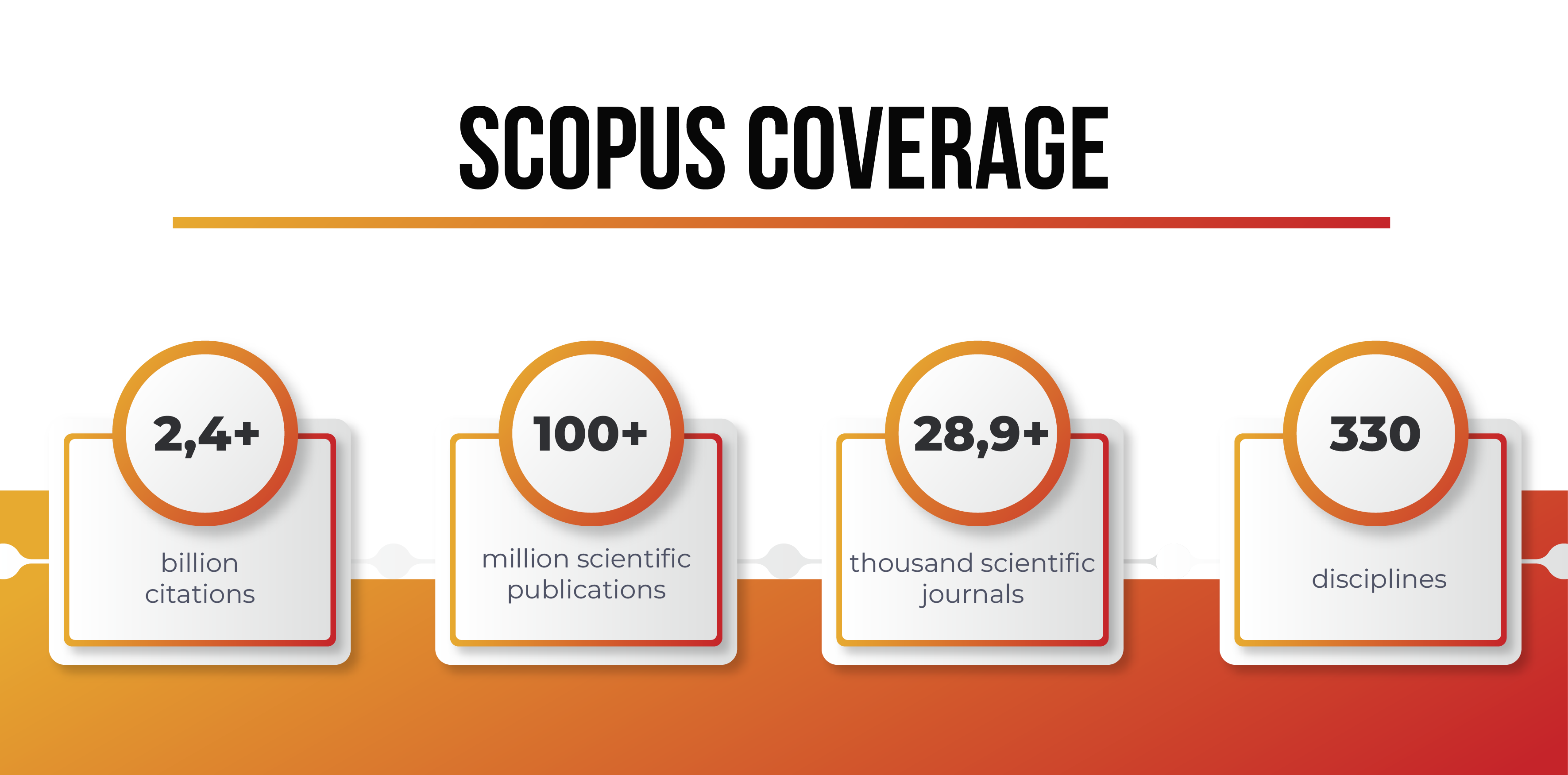
Scopus is one of the world's largest scientific databases, created by Elsevier. It covers more than 100 million records, including scientific articles, conference proceedings, reviews, books and patents. The database contains more than 28,000 peer-reviewed journals from various scientific disciplines – from medicine and engineering to social sciences and humanities.
Modern analytical tools and search filters in Scopus allow you to efficiently find relevant information, track research trends, monitor recently published papers, and identify experts in various fields. In addition, data visualisation, comparison and export capabilities greatly simplify working with the platform.
Benefits of publishing in the Scopus database
- Gaining worldwide recognition: journals indexed in Scopus undergo a rigorous selection process that confirms their scientific relevance and quality. Publishing in such journals helps in improving the reputation of the researcher.
- High visibility: Scopus is one of the largest and most prestigious scientific databases. Publishing in a Scopus indexed publication increases the visibility of the article and promotes wider dissemination among scientists.
- Increased citations: scientific articles indexed by Scopus are frequently cited, which can greatly enhance an author's academic reputation.
- Career prospects: publications in Scopus are taken into account by employers when allocating academic positions and by grantors when making funding allocation decisions.
- Global coverage: Scopus has international coverage, which means that a publication will be noticed by scholars from around the world, opening up opportunities for collaboration and knowledge sharing.
Main functions and tools of the Scopus platform
1. Advanced search for scientific publications
Scopus provides an advanced search engine that allows you to quickly find scientific literature by various parameters:
- keywords and phrases
- title of the article, journal or conference
- author name
- DOI (digital publication identifier)
- affiliation (university or scientific institution).
Scopus search tools help researchers to quickly access relevant sources, track the latest research and trends in their scientific field.
2. Tools for analysing citations
Scopus offers powerful analytical capabilities to assess the scientific impact of publications. Researchers can track how often their papers are cited and by whom, allowing them to objectively assess scientific productivity and identify leading researchers. Among the key metrics displayed in author profiles are:
- h-index – an indicator reflecting the scientific significance of the researcher's publications
- total number of citations
- list of sources in which publications were cited.
3. Profiles of authors and scientific organisations
Profiles of authors and scientific organisations in Scopus are created automatically based on the publication data that are indexed in the database. These profiles include:
- full list of published papers
- citation statistics and impact indicators
- current and past affiliations
- areas of research interest.
4. Selecting journals for publication
The Scopus Sources tool is designed to help authors select scientific journals for publication. It allows you to:
- search for journals by subject, keywords and research area
- Analyse key indicators including CiteScore, SJR and SNIP
- check whether the journal is indexed in Scopus and meets academic quality requirements.
With the help of this tool it is possible to select the most relevant publication to place the research, increasing the probability of successful publication and further citation.
5. Monitoring scientific trends
With the help of Scopus analytical tools, scientists can effectively identify key trends in their field, analyse the dynamics of publication activity and forecast the future development of scientific trends.
Scopus metrics allow analysing and evaluating the impact of journals, researchers and individual articles, which is reflected in graphs, charts and reports. These tools help researchers to identify promising areas for further research, identify current issues that are attracting the attention of the scientific world, and plan their research strategy.
Need help with publishing a scientific article in Scopus? Scientific Publications has been helping scientists to successfully place their research in one of the most prestigious databases since 2016. We guarantee full support and indexing of your article in Scopus! Leave a request in the form below to get a detailed consultation with our specialist.