In today's scientific world, the issue of publishing in Scopus goes far beyond simply placing an article in a scientific journal. It is a strategic step towards scientific recognition, career advancement and international prestige. Scopus is one of the largest and most prestigious databases in the world, and scientists from all over the world are eager to publish in it. But why is publication in Scopus so important for researchers?

Why is it necessary to publish in Scopus journals?
For a scientist, publication is not just the end of a research phase, but an effective way to communicate the results to the scientific community. Publications in Scopus are necessary because they are a criterion of quality and recognition of scientific work at the international level. It is a confirmation that the research topic is relevant, the methodology is sound, and the conclusions are meaningful.
Scopus serves not only as a database, but also as an indicator of scientific contribution. Many universities, foundations and government agencies assess the productivity of a scientist based on the number and quality of publications in this database. Lack of such publications may limit career prospects, access to funding and participation in international research projects.
Advantages of publishing in Scopus
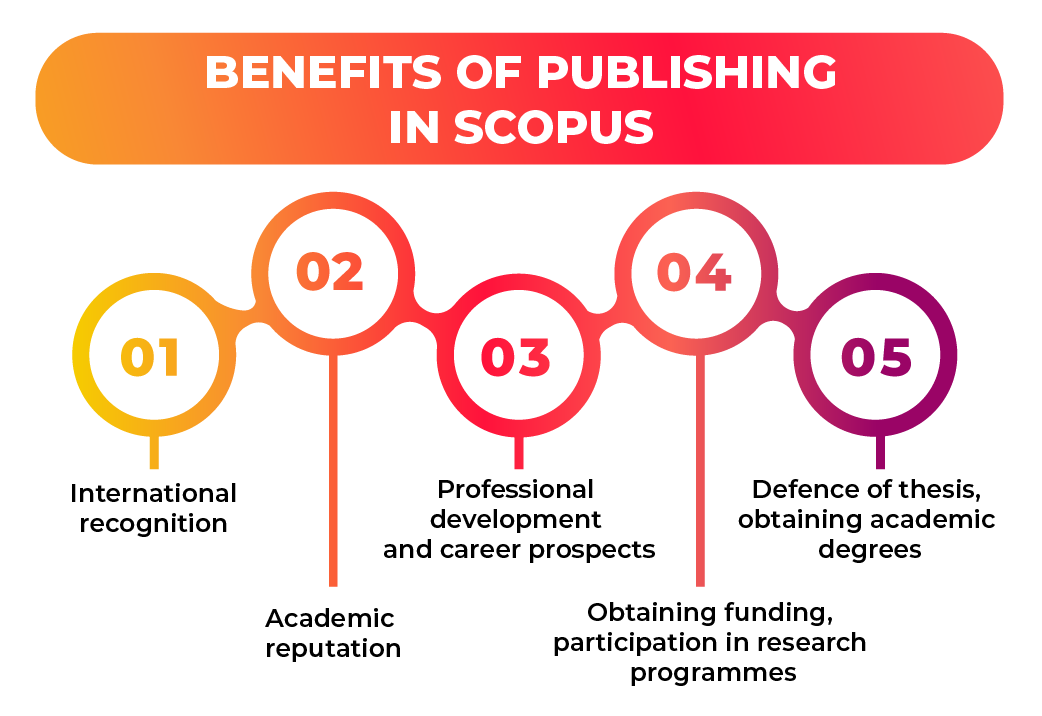
1. International recognition
Publication of a scientific article in a journal indexed in the Scopus international database automatically increases the academic status of the author and contributes to its international recognition. The Scopus scientific metrics platform includes only those journals that meet high quality standards, have a transparent editorial policy and are strictly selected by an independent commission. To be included in such a publication means to confirm the significance of one's research on a global level.
For Macedonian scientists, this opens up many opportunities: participation in international projects, obtaining grants, increasing the chances of obtaining academic titles and positions in prestigious universities.
2. Academic reputation
Another important advantage of the Scopus database is the strict requirements to the quality of scientific publications. Before an article is published in a journal included in this system, it undergoes double-blind peer review, editorial processing and originality check. This approach ensures that the material meets international standards of academic integrity.
In other words, each article published in a journal indexed in Scopus represents a significant contribution to the researcher's professional portfolio.
3. Professional development and career prospects
Indexing an article in Scopus contributes to academic career development: attracting the attention of potential employers, increasing the chances of career advancement and strengthening scientific reputation. In addition, publication in Scopus can become a springboard for participation in international conferences, internships and large-scale research projects.
4. Obtaining funding, participation in research programmes
One of the key goals of modern science is not only the generation of knowledge, but also the practical application of research results. Publication of an article in Scopus significantly increases the author's chances of receiving funding from state and international funds. Most competitive programmes, especially European ones, require publications in reputable indexed journals.
5. Defence of dissertation, obtaining scientific degrees
The modern system of certification of scientific personnel in European universities requires applicants to have publications in peer-reviewed publications included in international databases such as Scopus. Publication of an article in Scopus is one of the key requirements for the defence of a PhD thesis or dissertation.
Publishing in Scopus with professional support from scientific consulting experts
Given the high competition and strict requirements of publishing in Scopus, many researchers turn to scientific consultants for professional assistance. The Scientific Publications team offers comprehensive support for publication in the Scopus database:
- scientific article audit
- selection of a suitable publication
- assistance in peer review in the selected journal
- formal agreement
- full support up to the stage of article indexing.
Cooperation with Scientific Publications greatly simplifies and accelerates the process of publishing in journals indexed in Scopus. Our team of experts accompanies you at all stages – from the selection of a suitable journal to successful indexing. We provide a professional approach and comprehensive support, allowing authors to focus on their research and minimise the risks of rejections and delays in the publication process.
If you still have any questions about publication support, please leave your contact details in the form below. Our personal manager will contact you within a working day.